I have never been the type of person to fancy the high-maintenance gardening required to produce an immaculately manicured lawn accentuated by majestic flowers. This was not because I lacked an appreciation for beauty, but simply because I disdained the sheer labor required to maintain such plush surroundings. I neither had the time nor the inclination to expend the money and energy necessary to achieve those results. As a result of this, it was highly uncommon to find me in the garden. Like many with similar aversions, I employed a gardener. While my yard never achieved exquisite horticultural excellence, I was perfectly content as long as the grass was kept low and the weeds were held at bay.
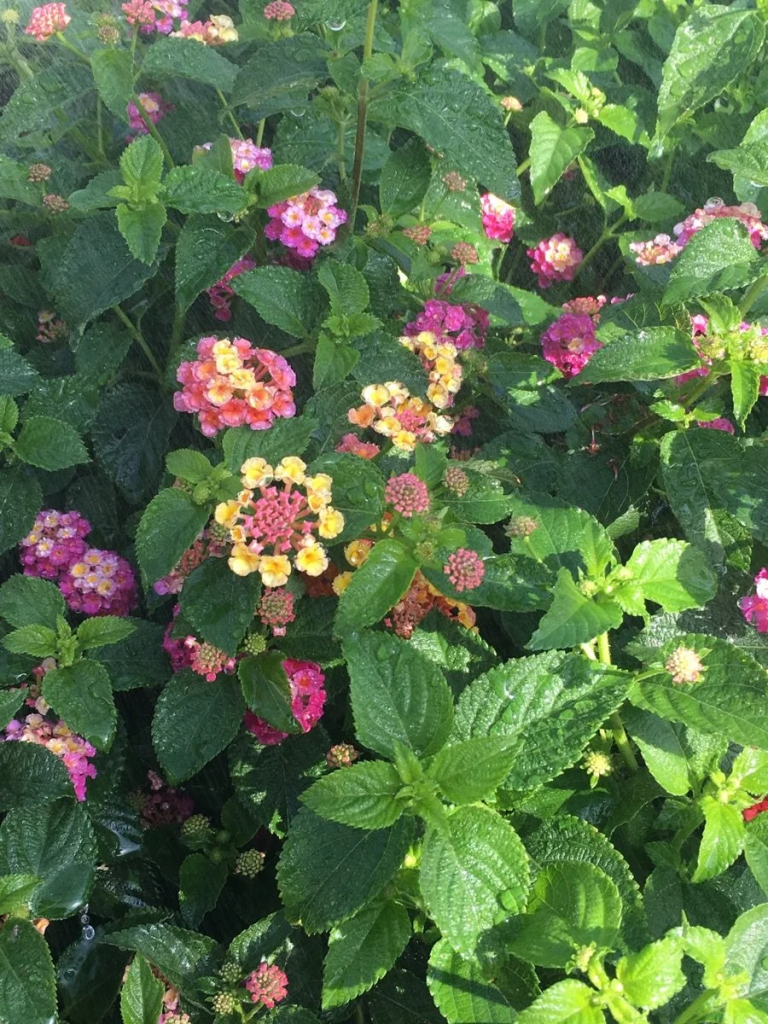
The arrangement between my gardener and me was a simple one, and he had honored it consistently over time. I had no real issues with his work, with one notable exception: he painstakingly preserved shrubs, similar to the one pictured below, that had sprung up spontaneously and spread throughout the yard. Because he continued to protect these wild growths, they eventually reached significant heights and widths.
Lantana camara is widely considered a severe invasive weed, listed among the world’s 100 worst invasive species. It forms dense, thorny thickets that destroy biodiversity, dominate native vegetation, and threaten agriculture in over 50 countries. While often sold as a colorful, hardy ornamental,
On one of the rare occasions that my gardener was working while I was home, I asked him why he hadn’t cut them down. His response confirmed what I had suspected all along: he believed the flowers added a touch of beauty to an otherwise drab and colorless yard. While there was some truth to his argument, something about the plant simply did not sit well with me. At the time, I had no idea of its name or that it was considered an invasive weed; all I knew was that I Instinctively disliked its appearance.
My disdain for its features was so great that I set aside my aversion to the physical labor of gardening. In December 2025, I finally got to work, digging up every one of these “shrubs” that had sprung up around the house. It took several hours of grueling effort, but eventually, they were all gone.
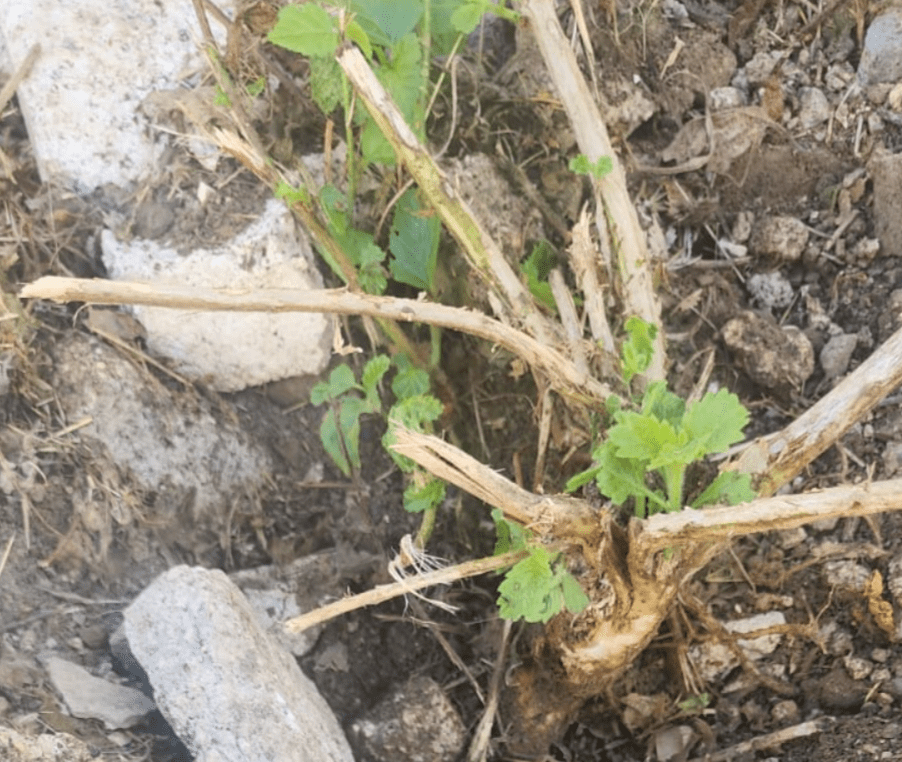
Imagine my surprise this morning when, during one of my infrequent strolls around the property, I discovered a similar shrub had emerged at the side of the yard—in the exact spot where I had previously dug one up. While my gardener had clearly received the message that I disliked the plants, he had not taken the necessary steps to uproot them. Instead, he had merely used his weedwacker to lop off the tops, allowing the weed to grow unchecked in an area of the yard I seldom inspected.
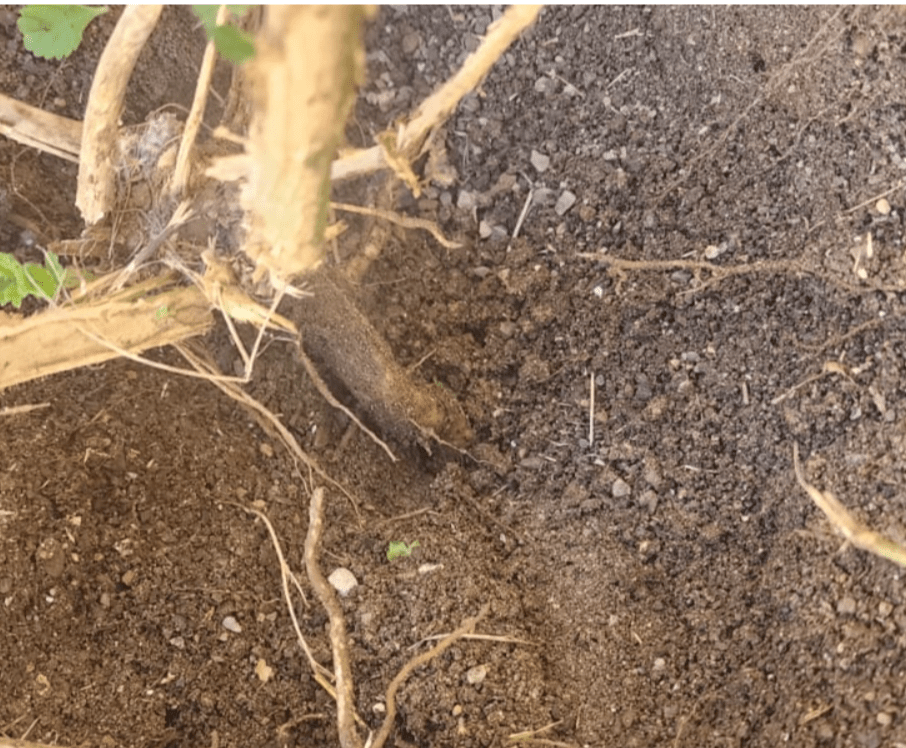
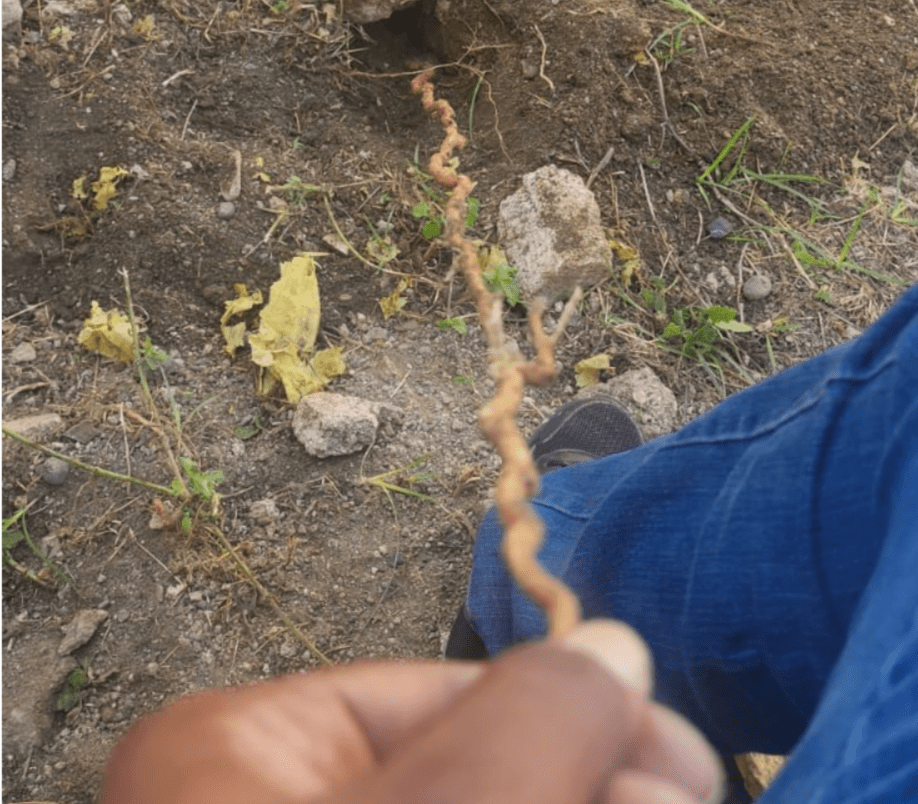
To be honest, I was more than a little annoyed. How could this have happened? I thought I had dealt with the issue just five months prior and was under the impression that I had removed the entire root system. Though I dreaded the arduous task ahead, I was not prepared to allow the weeds to reclaim their territory and flourish unchecked under my watch; and so, I prepared to tackle them once again.
As I dug into those thorny thickets, I could not help but reflect on a parallel spiritual truth. Much like the situation in my garden, many who come to Christ believe they have eliminated every pervasive root of sin the moment they begin their journey. However, that is simply not the case. We must remain vigilant against the roots of sin that spring up anew, taking the requisite—and often difficult—steps to uproot everything within us that does not honor God.
Like my gardener, some of us may be reluctant to remove a problem because it seemingly serves a purpose or is thought to beautify a “drab” life. However, like the Lantana, the roots of sin run deep and threaten our relationships with both God and man.
My humble suggestion is that we roll up our proverbial sleeves and take the time to uproot what needs to be uprooted in our lives before those roots become hardy and more difficult to address—and before the Lord fulfills His promise according to Matthew 15:13: “Every plant that my heavenly Father has not planted will be pulled up by the roots.”
 WRITTEN DELIVERANCE
Leave a comment